
How We Teach
Structured Music Education
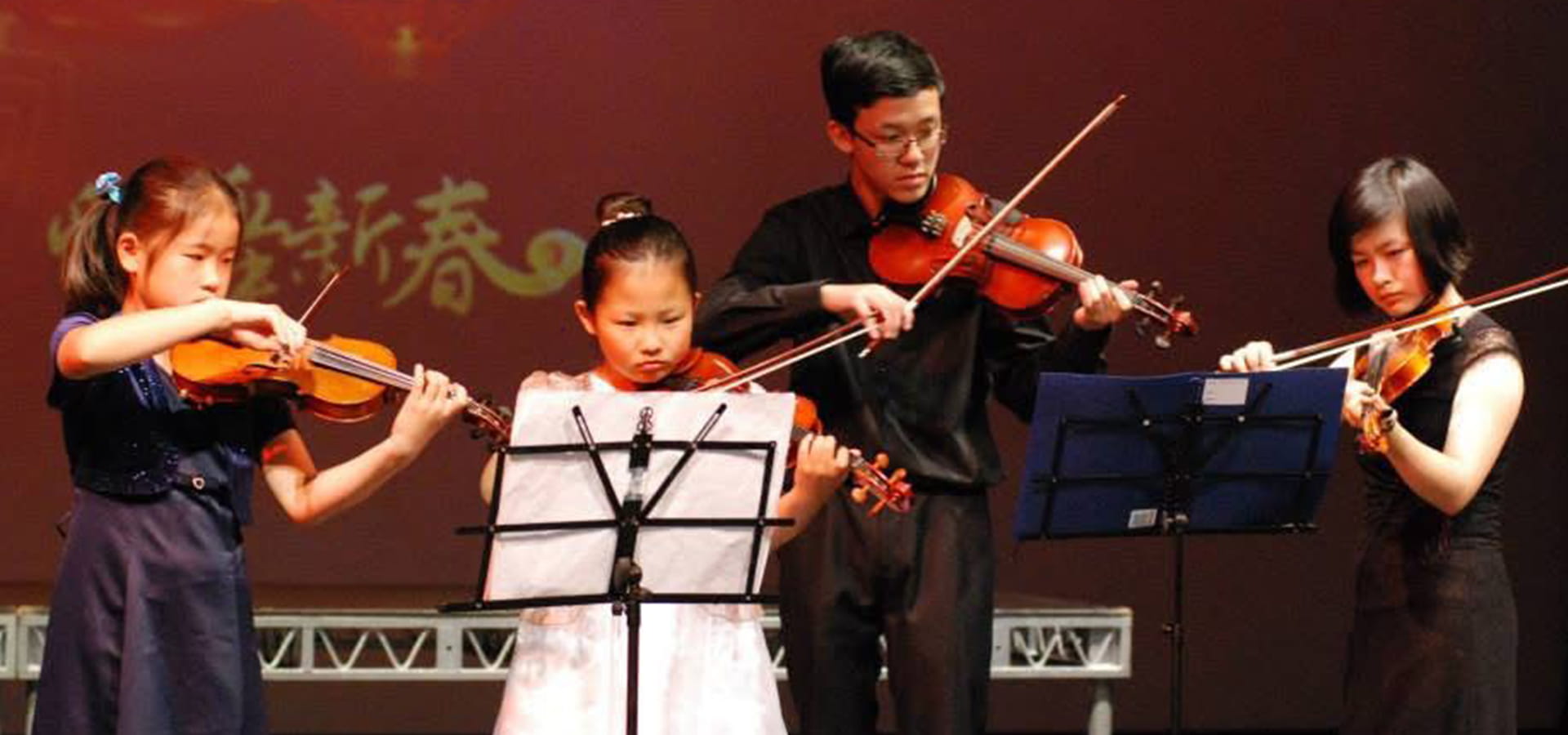
Our academy follows a structured approach to music education designed to support both vocal and instrumental development.
Through guided instruction, progressive curriculum design, and performance-based learning, students build strong technical foundations while developing musical expression and confidence.
Curriculum-Based Learning
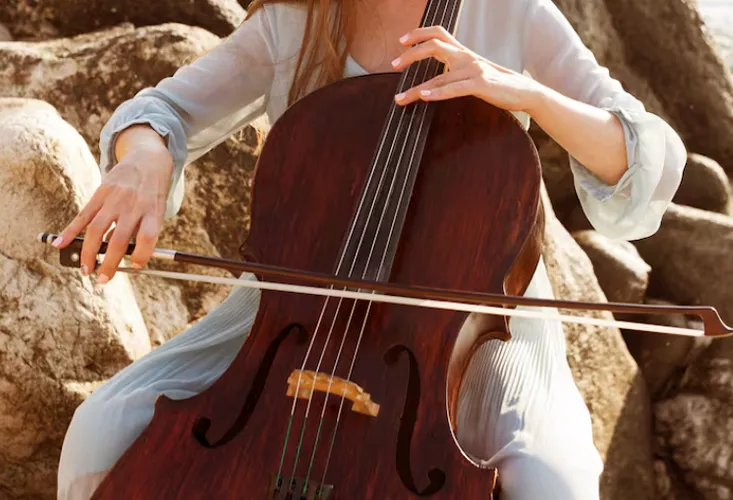
All programs follow a structured curriculum designed to support progressive musical development. Lessons typically include:
- Technical skill development
- Repertoire study
- Musicianship and music theory
- Performance preparation
This structured learning model allows students to develop their abilities step by step while building a strong understanding of music.
Vocal Training
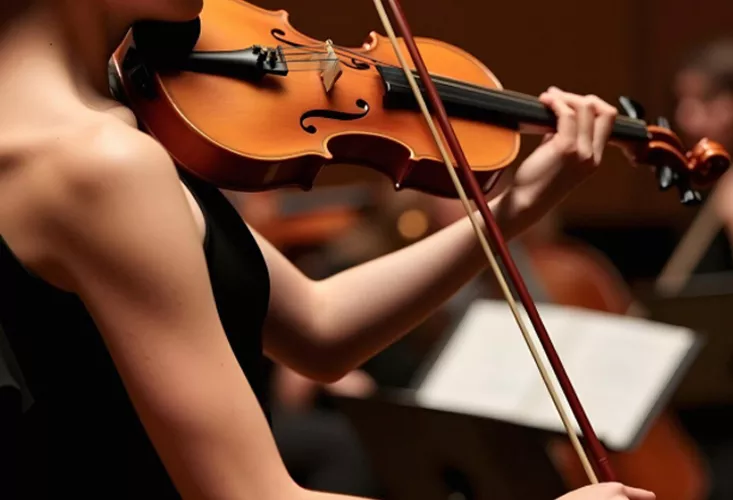
Vocal lessons focus on:
- Breathing technique
- Tone development
- Pitch accuracy
- Vocal expression and performance
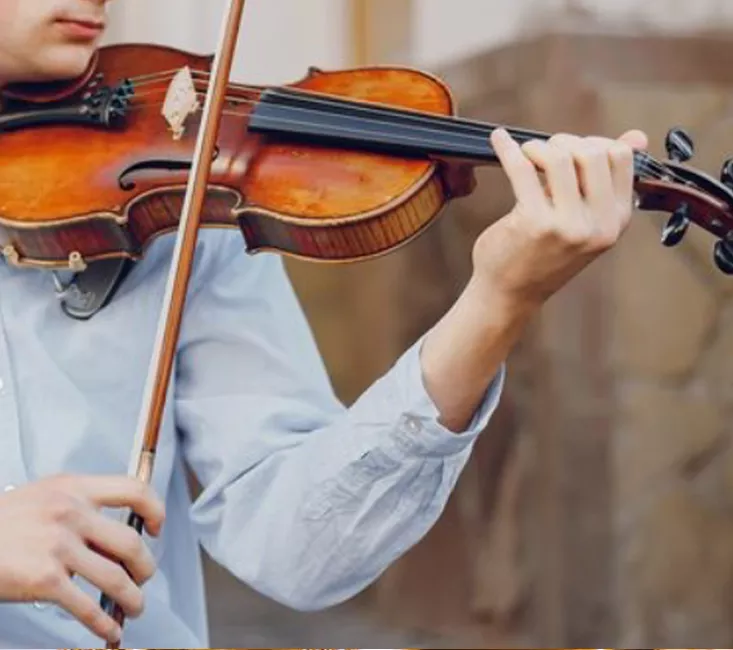
Instrumental Training
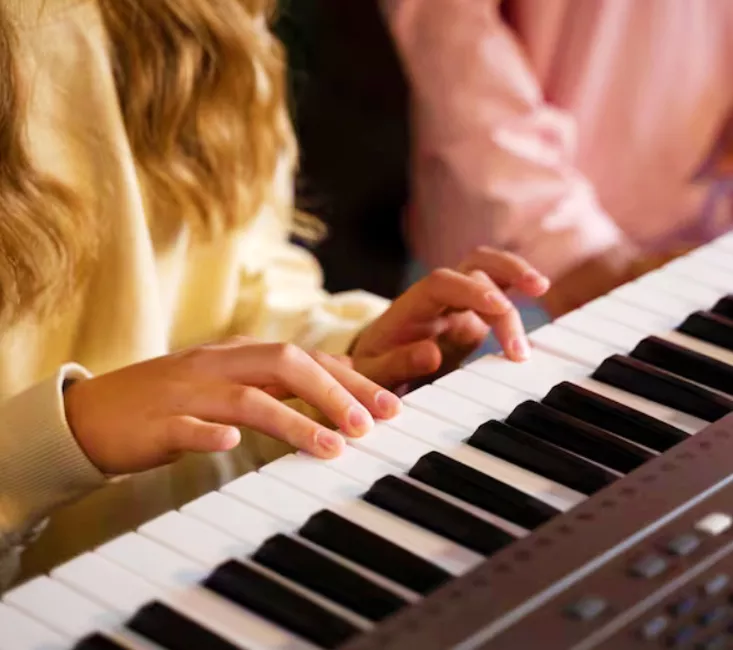
Instrumental lessons focus on:
- Technical development
- Music reading skills
- Tone and articulation
- Repertoire development
Faculty-Guided Learning
Our teaching team consists of experienced music educators who guide students through structured lessons and personalised instruction. Teachers support students by:
- Developing proper technique
- Strengthening musical understanding
- Encouraging creative interpretation
- Supporting long-term musical growth
This faculty-led approach ensures consistent guidance and effective skill development.
Progressive Student Development
Students advance through progressive learning levels as their musical abilities develop. Typical learning stages include:
Foundation Level
Introduction to basic technique and musical fundamentals.
Intermediate Level
Development of technical skills, repertoire, and musicianship.
Advanced Level
Performance preparation and artistic interpretation.
This structured progression allows students to develop confidence and musical maturity over time.
Performance-Based Learning
Performance is an essential part of musical education. Students have opportunities to participate in:
- Student recitals
- Ensemble performances
- School showcase events
These experiences help students gain stage confidence and apply their musical skills in real performance settings.
Assessment & Certification
Student progress is supported through structured assessments and certification pathways. Assessments may include:
- Technique evaluation
- Repertoire performance
- Musicianship review
Successful students may receive certificates recognising their learning achievements and musical development.